

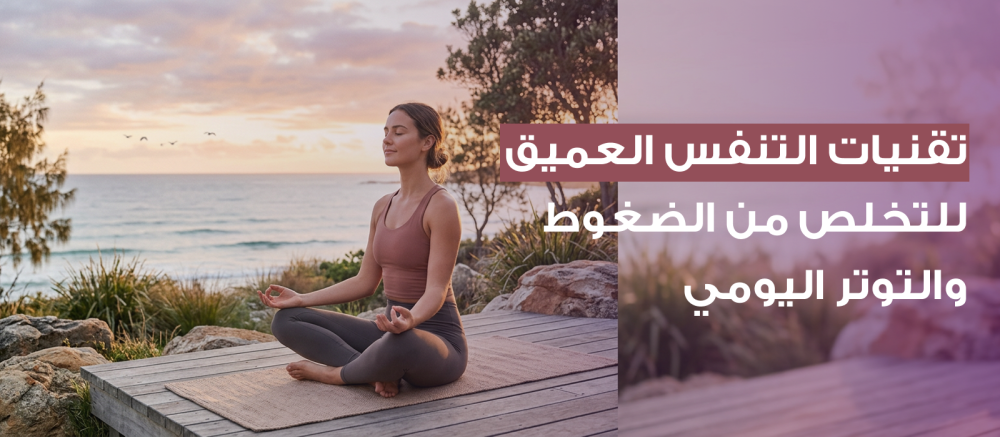
In the fast pace of modern life, women often find themselves constantly juggling career aspirations with family responsibilities. This perpetual pressure frequently leads to chronic stress, impacting our quality of life. Have you ever tried pausing to observe your breathing? We often find that our breathing becomes shallow and rapid when we're stressed, which amplifies the body's stress response.
The solution might be simpler than you think, requiring no expensive equipment or long hours; it lies in practicing regular, conscious breathing sessions . Returning to your natural, deep breathing isn't just a way to relax; it's a powerful biological tool for resetting your nervous system. In this article, we'll delve into the world of conscious breathing and discover how each deep breathing session can be your gateway to a calmer, more productive life.
What are breathing sessions?
Breathing sessions are defined as intentional practices aimed at controlling the pattern of inhalation and exhalation to achieve specific health and psychological goals. Unlike the automatic breathing we do throughout the day, breathing sessions require full mental presence and a focus of awareness on the movement of air within the body.
These sessions rely on shifting breathing from chest breathing (shallow breathing) to diaphragmatic breathing (abdominal breathing). This simple shift sends immediate signals to the brain that the body is safe, significantly reducing daily anxiety and stress.
Benefits of deep breathing for stress and tension
The benefits of deep breathing aren't limited to the psychological aspect; they extend to remarkable physiological improvements. When you provide your body with sufficient oxygen through structured breathing sessions , you help your vital organs function more efficiently.
Here are the main benefits you will gain from regularly practicing this:
- Calming the sympathetic nervous system, which is responsible for the "fight or flight" response, and replacing it with the parasympathetic nervous system, which is responsible for relaxation.
- Improve mental focus: Extra oxygen helps the mind get rid of mental fog and the flow of negative thoughts.
- Lowering blood pressure: Deep and regular breathing helps to widen blood vessels and reduce pressure on the heart.
- Detoxification: Deep breathing helps the lungs get rid of carbon dioxide and gaseous waste more effectively.
Practicing these techniques gives you mental clarity that may lead you to make major decisions to improve your quality of life, such as considering domestic wellness tourism trips that enhance the results of these sessions in a calm, natural environment.
Benefits of breathing exercises for adults in the workplace:
Breathing sessions are a highly effective way for adults, especially working women, to manage the stress of office work and long meetings. Work-related stress leads to muscle tension and a feeling of rapid exhaustion, but two minutes of mindful breathing can completely transform mood and physical state.
Breathing sessions for adults can help improve emotional intelligence, enabling you to monitor your emotions before reacting to provocative situations. This calmness not only benefits you personally but also positively impacts the work environment as a whole, making it crucial to explore ways to foster this awareness, perhaps through corporate trips focused on employee well-being and developing their stress management skills.
Steps for conducting breathing sessions at home:
You don't need a personal trainer to get started; you can do a deep breathing session anytime you feel stressed. Here are the basic steps:
- The correct position: Sit or lie down in a quiet place while keeping your back straight to ensure that your lungs expand fully.
- Conscious inhalation: Slowly draw air in through your nose for several seconds, imagining the air filling your abdomen first and then your chest.
- Breath-holding: Hold your breath for a second or two to allow for effective oxygen exchange.
- Long exhalation: Exhale very slowly from your mouth, making sure that the exhalation is longer than the inhalation to promote relaxation.
Advanced deep breathing techniques:
There are several international schools and techniques you can try during daily breathing sessions to diversify your experience and increase its effectiveness:
- The 4-7-8 technique: Inhale for 4 seconds, hold your breath for 7 seconds, then exhale forcefully for 8 seconds. This technique is considered a "natural calmer" for the nervous system.
- Box breathing: Inhale (4), hold (4), exhale (4), hold (4). This is a technique used by athletes to increase focus and calmness under pressure.
- Alternate nostril breathing: a practice that involves closing one nostril and alternating between them, which is excellent for balancing the right and left hemispheres of the brain.
How can you make deep breathing a daily habit?
The secret to reaping the benefits of deep breathing isn't doing it once in a while, but making it a daily habit. Set aside five minutes upon waking and before bed for a deep breathing session . You can also link it to a recurring activity, such as breathing deeply while waiting at a traffic light or while waiting for your coffee to boil.
When this practice becomes part of your identity, you'll notice that you no longer react to external influences with the same intensity as before. You'll become more balanced and better able to see opportunities even amidst challenges.
Frequently asked questions about breathing sessions
1. Can breathing exercises cause dizziness?
Initially, some beginners may feel slightly dizzy due to the sudden increase in oxygen levels. This is normal; simply stop, return to your normal breathing, and then try again more slowly.
2. What is the best time to do a deep breathing session?
Early morning is the ideal time to set the tone for the day, but doing breathing sessions before bed is incredibly helpful in getting rid of racing thoughts and achieving deep sleep.
3. Are breathing sessions alone sufficient to get rid of chronic anxiety?
Breathing is a very powerful tool for immediate management, but in cases of chronic anxiety it is preferable to combine it with other practices such as exercise, proper nutrition, and psychological counseling if necessary.
Conclusion: Breathe to flourish
Your journey to balance begins with an inhale and ends with an exhale. Committing to regular breathing exercises is a small investment of time, but its impact on your mind and body is immense. Don't let daily stresses steal your innate tranquility; you always hold the key within your chest.
Start today. Take a deep breath now, and feel the tension leaving your body with each exhale. You deserve a life filled with peace and clarity.
Are you ready to start your first conscious breathing session today? Try the 4-7-8 technique now and tell us in the comments how you feel!