

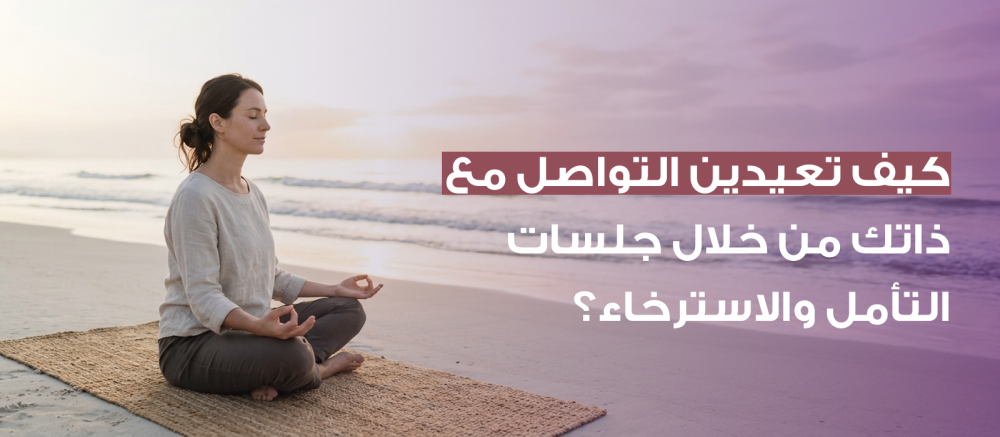
In today's fast-paced world, women often find themselves caught between work responsibilities, family obligations, and societal expectations. This external pressure can lead to a disconnect from oneself, reducing life to a series of mechanical tasks. This is where the importance of committing to meditation and relaxation sessions becomes crucial , offering a lifeline that restores lost tranquility.
Connecting with yourself is not a luxury or a passing fad; it's a vital physiological and psychological need. When you give yourself a moment of stillness, your mind begins to prioritize, and your spirit regains its capacity for creativity and giving. In this article, we'll take you on an educational and practical journey to teach you how to make meditation a way of life that reshapes your aesthetic and psychological reality.
The importance of meditation and relaxation sessions in a woman's life:
Meditation and relaxation sessions are considered a "factory reset" for the nervous system. Women, by their very emotional and physiological nature, are more deeply affected by stress, making their need for tranquility even greater. The benefits extend beyond immediate relief to include an overall improvement in quality of life.
Scientifically, meditation helps reduce cortisol levels, which positively impacts hormonal balance and skin radiance. It also provides a space of awareness that allows you to observe your emotions instead of being swept away by them. This practice opens new horizons, much like short, relaxing getaways that help you change your surroundings and recharge.
The long-term benefits of mindful relaxation:
- Enhancing psychological resilience: the ability to face crises calmly and steadily.
- Improve focus and memory: Clear your mind of mental "noise" and intellectual waste.
- Self-worthiness: Starting to value oneself apart from material achievements.
The correct way to meditate: practical steps to get started:
We often hear the phrase, "I tried to meditate, but my mind won't stop thinking." The truth is, the correct way to meditate doesn't ask you to stop thinking, but rather to observe your thoughts like clouds passing by in the sky, without clinging to them or judging them.
To achieve a truly enriching meditation experience, create a calming environment. Begin by sitting in a quiet place, with your back straight but relaxed. Focus your full attention on your breath; observe the air entering and leaving your body. This simple focus is the magic key that disconnects you from the chaos of the outside world and draws you into the depths of the present moment.
Creating the right atmosphere:
Using some essential oils or dim lighting is fine. The goal is to signal to the body that it is now in a state of "safety and comfort." Sticking to the time and place helps the subconscious mind enter a state of relaxation more quickly with daily repetition.
Meditation skills for beginners: Gradual progression is key
Mastering meditation is much like learning a new language or trying a sport for the first time; it requires patience and gradual progress. Don't try to sit for an hour on the first day; start with just five minutes and gradually increase the time.
The secret to developing meditation skills is consistency, not intensity. Meditating for 10 minutes a day is far better than meditating for an hour once a week. Remember, you are retraining your mind to be present, and that takes time to become second nature.
Simple techniques for beginners:
- Guided meditation: Listening to a coach who guides you through the mental journey.
- Gratitude meditation: Focus on the blessings in your life as you inhale and exhale.
- Body scan: Passing awareness over each part of your body to notice and relax areas of tension.
Tips for connecting with yourself deeply:
Beyond the prayer mat or meditation cushion, there are golden tips to enhance your connection with your inner self. Connecting with yourself means being completely honest with your feelings and needs.
First, practice mindful silence for a few minutes during your busy day. Second, try combining your meditation with physical activities, such as walking in nature. If you're looking for a deeper experience, consider joining an introspective wellness retreat , where the beauty of nature is combined with healing techniques that strengthen your connection to your spirit in a supportive environment away from the usual distractions.
How do you overcome internal resistance?
When you start setting aside time for yourself, inner voices may tell you that you're "wasting time" or that there are "more important" things to do. This is the natural resistance of a mind accustomed to worry and stress as the default state.
Overcome this by viewing meditation and mental relaxation as a necessary remedy, not an added luxury. Remember that when you're at your best mentally, you'll be better able to care for your loved ones and accomplish your tasks more efficiently and with less effort.
The relationship between meditation and liberation from psychological obstacles:
Many of the obstacles that prevent us from moving forward in life are actually old, unresolved emotional blockages. Practicing meditation and relaxation allows these emotions to surface in a safe way.
When you observe your fear or anger during meditation, you are stripping it of its power and control over you. This kind of awareness is the beginning of true liberation. Liberation is not forgetting the past, but rather the past losing its ability to control your present decisions.
Integrating meditation into the daily routine of Arab women:
We know that the daily schedule of an Arab woman is full of family and social obligations. Therefore, "integrating" meditation is the ideal solution, not "adding" it as a new burden.
- Morning meditation: Before getting out of bed, consciously take 5 deep breaths.
- Work meditation: Take a minute of stillness between each task to clear your mind.
- Evening meditation: Review the events of your day with gratitude right before going to sleep to cleanse your energy.
Frequently asked questions about meditation and relaxation sessions
1. Does meditation conflict with religious beliefs?
Absolutely, meditation is essentially "stillness and contemplation." It is a mental technique for improving focus and relaxation, and many women find that practicing meditation increases their reverence and mental presence in various acts of worship.
2. What should I do if I fall asleep during a meditation session?
If you fell asleep, it simply means your body desperately needed rest. That's perfectly fine, but next time try sitting upright or meditating when you're more alert to reap the full mental benefits.
3. Do I need any special equipment to get started?
You need nothing more than a genuine desire for change. You can meditate anywhere: in a chair, on a bed, or even while sitting in a garden. What matters most is the quality of your presence, not the type of equipment.
Conclusion: Take the first step towards your inner peace.
The journey of a thousand miles to mending your relationship with yourself begins with a single session of meditation and relaxation . You are not merely a role you play for others; you are a soul deserving of care, love, and peace. By adopting the right method of meditation and developing your meditation skills day by day, you will find that the world around you begins to change because your inner world becomes more stable.
Remember that silence is the language your heart speaks, so give it the chance to be heard. Start today, even with just a few minutes, and make connecting with yourself a top priority in your life.
Are you ready to regain your balance? Start now by dedicating 10 minutes of your day to stillness, and see how your reality will blossom with beauty and comfort!