

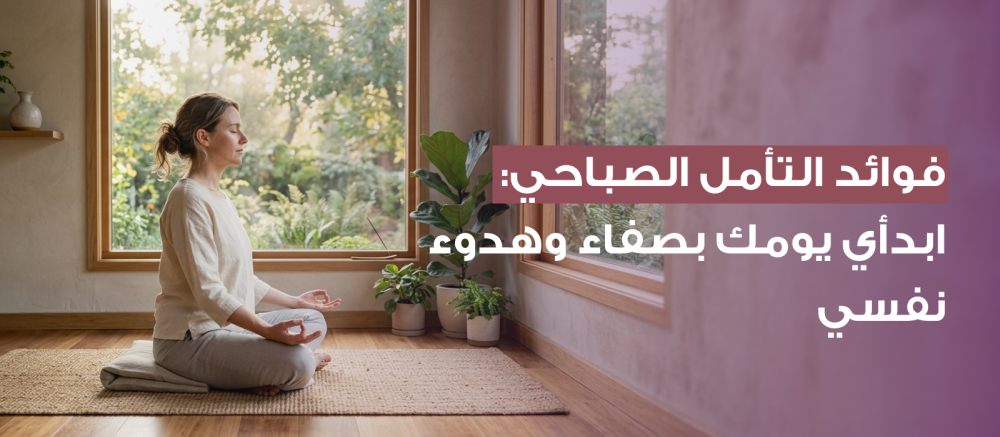
Do you sometimes feel like your day begins as a race against time the moment your alarm rings? Many women find themselves caught in a whirlwind of thoughts about household chores, work demands, and family needs before they've even gotten out of bed. This is where morning meditation comes in – a magical tool that gives you a chance to regain control of your mind and emotions before being swept away by the noise of the outside world.
Practicing morning meditation isn't about escaping reality; it's about recharging your mental energy to deal with it more effectively. When you dedicate a few minutes to stillness at the start of your day, you send a powerful message to your subconscious that you deserve priority and that your inner peace is non-negotiable. In this article, we'll delve into the depths of this morning ritual and discover how it can radically transform your life, making it brighter and more balanced.
What is morning meditation?
Simply put, it's a mental practice that involves sitting quietly for a short period upon waking, focusing on the present moment through breathing or observing thoughts without judgment. It's not a complicated ritual requiring special abilities, but rather a conscious break that allows the dust of accumulated thoughts to settle, so you can begin your day with a clear and pure perspective.
Early morning meditation is ideal because the mind is in an alpha energy state, a state between sleep and wakefulness that makes it more receptive to tranquility and positive affirmations. Therefore, morning meditation is a wise investment in the first few minutes that shape the next sixteen hours of your day, helping you later to make sound decisions, whether in your personal life or when seeking professional or psychological advice for self-improvement.
Benefits of meditation sessions: Why should you start now?
The benefits of meditation sessions are numerous and encompass all aspects of your life. They are not limited to the psychological realm but extend to influencing the quality of your decisions and your interactions with others. For a woman seeking balance, these sessions serve as an anchor, keeping her grounded amidst the storms of daily life and its many responsibilities.
When you commit to a daily schedule that includes stillness, you'll notice that your reactions become calmer, and your patience and resilience increase. This is because you've pre-conditioned your nervous system to handle stress with greater flexibility, which is one of the most important benefits of consistent meditation sessions —giving you the mental strength and resilience needed to face the challenges of our time.
The health benefits of meditation for the body:
The effects aren't limited to emotions; meditation also offers scientifically proven health benefits that sometimes make it a medical necessity. Modern women face pressures that directly impact their hormonal balance and heart health, and meditation helps regulate this vital equilibrium.
- Reducing cortisol levels: Meditation significantly lowers the stress hormone, protecting you from chronic inflammation and high blood pressure.
- Improving sleep quality: Although it is a morning practice, its effect extends to making your mind more relaxed by evening, thus eliminating insomnia.
- Strengthening the immune system: Studies have shown that conscious relaxation stimulates the body's immune cells to resist diseases more effectively and at a higher speed.
- Regulating heartbeat: Deep breathing associated with meditation helps to calm the circadian nervous system and dilate blood vessels.
Benefits of meditation for the mind and focus:
If you suffer from distractibility or "brain fog" that leaves you feeling mentally exhausted, exploring the benefits of meditation for the mind will provide the perfect solution. The mind is like a muscle, and meditation is the exercise that strengthens this muscle and makes it more resilient to digital distractions.
One of the most significant benefits of meditation for the mind is an increase in gray matter density in brain regions responsible for learning, memory, and emotional regulation. This means you'll be better able to recall important details and less prone to burnout due to a backlog of tasks. It also gives you "distance" between the event and your reaction, empowering you to take control of your life rather than simply reacting to external events.
How to start your day with meditation? Practical steps:
You don't need extraordinary skills or strange rituals to start practicing morning meditation . The beauty of this activity lies in its simplicity and its applicability anywhere and anytime, even in your room before your busy day begins. Here's a simple roadmap to start with a bright tomorrow:
- Wake up 10 minutes earlier: Don't try to change your entire life all at once, just ten extra minutes of stillness is enough to make a tangible difference to your mood throughout the day.
- Find your quiet corner: Designate a small place in your home where you feel comfortable, perhaps by a window or in a corner decorated with some flowers or candles.
- Sit in a comfortable position: It is not necessary to sit in a specific complicated position, it is enough to keep your back straight to facilitate natural breathing.
- Focus on your breath: Close your eyes and notice the air entering and leaving your body. When your mind wanders, gently and lovingly bring it back to observing your breathing.
- End your session with gratitude: Before you open your eyes, think of three simple things you are grateful to have in your life, which will program your mind for positivity.
Tips for maintaining a morning routine:
The biggest challenge isn't getting started, but sticking with it. Begin with small doses and don't push yourself with long sessions at first; five minutes is more than enough for beginners. Try to link meditation to an existing habit in your day, such as practicing it immediately after washing your face or before drinking your morning coffee, to ensure you build the "commitment muscle."
If you feel overwhelmed by work or life pressures, it may be a good time to consider corporate trips that provide a collective environment for practicing stillness and effective communication, which rejuvenates the entire team and achieves a balance between productivity and psychological comfort.
How does meditation affect your feminine energy?
Connecting with oneself through morning meditation enhances feminine energy, which is fundamentally based on "reception" and "stillness." In a world that glorifies "action" and quick "achievement" (energies inherently masculine), meditation restores a woman's innate balance, allowing her to connect with her intuition and inner wisdom that guide her on her path.
When you meditate, you give yourself permission to simply be yourself, without needing to prove anything to anyone. This self-acceptance has a wonderful impact on your relationships with your partner, children, and colleagues, making you more present, loving, and less critical and stressed, which in turn brings peace to the entire family.
Creating an integrated healing environment:
Morning meditation is a good start, but you can enhance this serenity by adopting a lifestyle that promotes relaxation. Moving from inner stillness to outer stillness helps solidify the benefits. Consider how you spend your holidays; do they leave you exhausted or offer a genuine opportunity for healing?
Women who practice meditation find that their need for quiet increases, and this makes them seek deeper healing experiences to enhance their mental and physical health, away from the hustle and bustle of cities and the relentless noise of technology.
Frequently asked questions about morning meditation
1. Should my mind be completely free of thoughts during meditation?
This is the most common misconception that frustrates beginners. The goal of morning meditation is not to forcibly stop thoughts, but to change your relationship with them. The idea is to observe your thoughts passing by like clouds in the sky without trying to follow or analyze them. With consistent practice, you will find that the spaces between thoughts begin to expand naturally and smoothly.
2. Can I practice meditation while lying in bed?
Yes, you can do that initially, but it's best to sit to ensure you don't fall back into a deep sleep. Sitting with a straight back sends a clear signal to your body that you're in a "relaxed alertness" state, which is ideal for reaping the benefits of short, effective meditation sessions before starting your daily tasks.
3. What if I don't feel any improvement in the first few days of practicing?
Meditation is like planting seeds in soil; true results appear with care, patience, and persistence. You may feel bored or restless at first, and this is a normal part of the process of releasing years of accumulated stress. Continue for at least two weeks, and you will inevitably begin to notice a change in your calmness and your ability to face challenges.
Conclusion: Begin your journey to serenity now:
Ultimately, morning meditation remains the noblest and most sublime act you can perform for yourself each morning. It is the strong bridge that connects your peaceful inner world with your challenging and stressful outer world. Remember that each new day is an opportunity for rebirth, and the best way to welcome this opportunity is with a calm heart and a clear, receptive mind.
Don't let the pressures of daily life steal the beauty of new beginnings and the tranquility of dawn. Dedicate this sacred time to yourself, and watch as the flowers of happiness, productivity, and peace blossom in your day in ways you never imagined.
Are you ready to try your first morning meditation session tomorrow? Start with just five minutes, and make it your secret appointment with yourself to shine from within before the sun rises!